

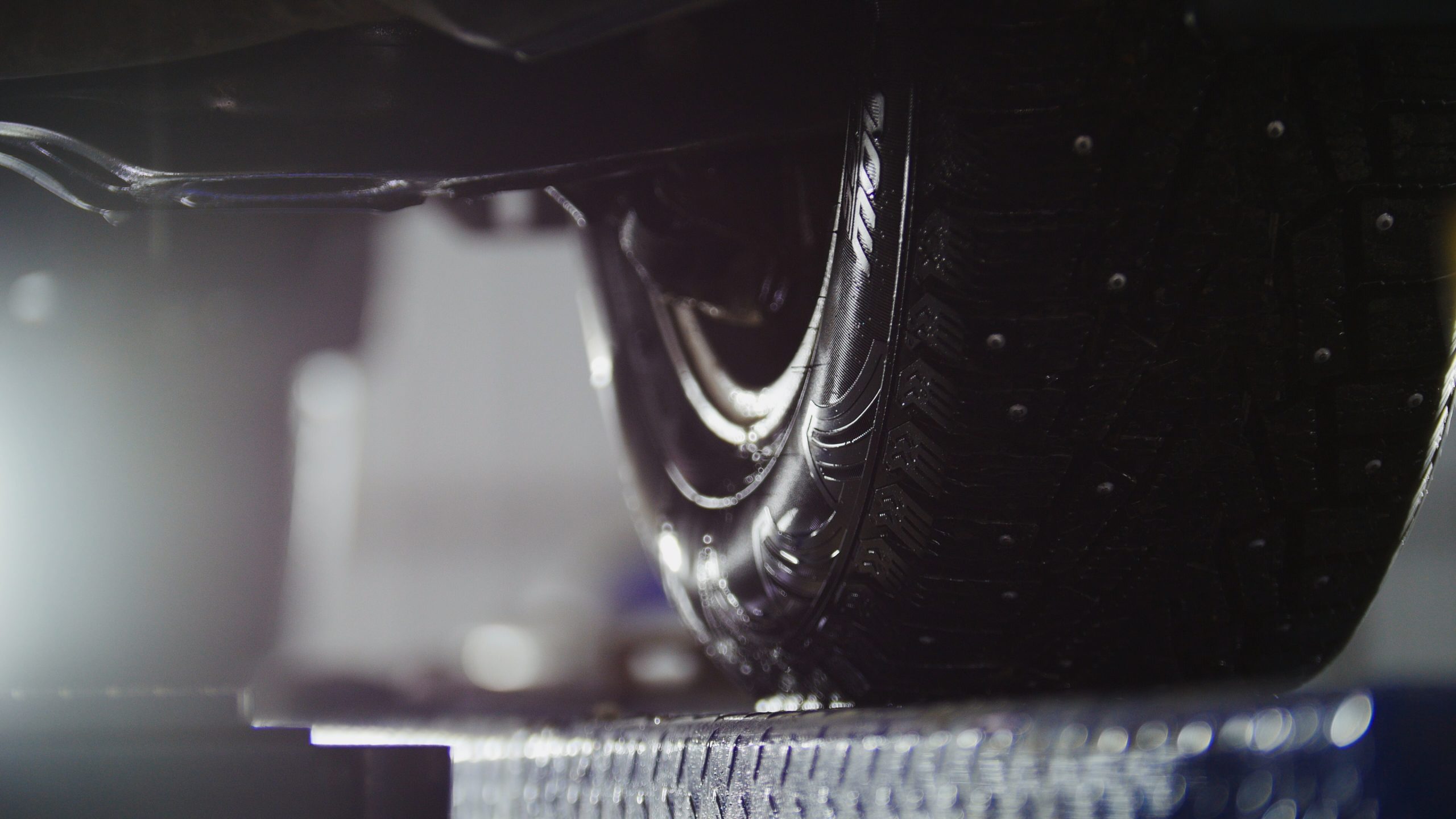
Most drivers don’t spend much time thinking about their tires until something goes wrong. A low-pressure warning appears on the dashboard. The vehicle doesn’t feel quite right on a rainy day. Maybe it’s time for a road trip and someone finally notices the tread looks a little thin.
At Whiteside Chevrolet in St. Clairsville, OH, tire questions are some of the most common topics service advisors discuss with drivers throughout Belmont County and the Ohio Valley. That’s because tires affect nearly every aspect of how your Chevrolet performs, from braking and handling to fuel efficiency and ride comfort. Understanding a few basic tire safety principles can help keep your vehicle operating safely and efficiently year-round.
Why Tire Safety Matters More Than Many Drivers Realize
Your tires are the only part of your Chevrolet that touches the road. If you’re driving a Chevrolet Equinox through downtown St. Clairsville, commuting across Eastern Ohio in a Suburban with the family, or towing equipment with a Silverado 1500, your tires are responsible for maintaining traction, stability, and control. Even advanced safety systems such as anti-lock brakes, traction control, and electronic stability control rely on properly maintained tires to work effectively. When tires become worn or damaged, those systems have less grip available to work with. That’s why routine tire inspections remain one of the most important maintenance services for any vehicle.
Understanding Tire Ratings
Every tire includes information designed to help drivers understand how it is expected to perform. The Uniform Tire Quality Grading system evaluates tires in three primary categories: treadwear, traction, and temperature resistance. Treadwear ratings provide an estimate of expected tire life. Traction grades indicate wet-road stopping performance, while temperature ratings measure a tire’s ability to withstand heat generated during normal driving. While these ratings shouldn’t be the only factor in selecting replacement tires, they provide useful information when comparing options for your specific Chevrolet model and driving needs.
Tire Inspections Are Simpler Than You Think
A quick visual inspection can reveal a surprising amount about tire condition. Look for uneven tread wear, cracks in the sidewall, bulges, punctures, or objects embedded in the tire. These issues can affect performance and may indicate that service is needed. Tread depth is particularly important in Northeast Ohio, where drivers encounter everything from summer rainstorms to winter snow and slush. As tread wears down, a tire becomes less effective at maintaining traction on wet roads. Many service professionals recommend replacing tires before they reach the legal minimum tread depth, especially for drivers who regularly encounter challenging weather conditions.
Tire Pressure Deserves Regular Attention
Few maintenance items are easier to overlook than tire pressure. Seasonal temperature changes throughout St. Clairsville and the Ohio Valley can cause tire pressures to fluctuate significantly. A tire that was properly inflated in August may be underinflated by the time colder weather arrives. Proper tire pressure helps promote even tread wear, improves fuel economy, and supports predictable handling. Checking tire pressure once a month and before longer trips remains one of the simplest ways to help maximize tire life. Fortunately, most modern Chevrolet vehicles include a Tire Pressure Monitoring System that helps alert drivers when pressure drops below recommended levels.
Choosing the Right Tires for Your Chevrolet
Not all tires are designed for the same purpose. A Chevrolet Tahoe has different tire requirements than a Trax. A Silverado HD used for towing places different demands on its tires than a Traverse used primarily for family transportation. That’s why Chevrolet engineers specify tire sizes, load ratings, and performance characteristics for each vehicle. Following those recommendations helps maintain the ride quality, handling, and capability your vehicle was designed to deliver. When replacement time arrives, working with trained Chevrolet service professionals can help ensure you choose the right tire for your driving habits and local conditions.
Stay Ready for Every Season in Eastern Ohio
Drivers in St. Clairsville, Belmont County, and throughout Eastern Ohio experience a wide range of road conditions throughout the year. From summer heat to winter snow, tires play a critical role in helping your vehicle perform safely and confidently. If you’re unsure about the condition of your current tires, the team at Whiteside Chevrolet is here to help. Schedule a tire inspection and let our certified technicians evaluate tread depth, tire pressure, alignment, and overall condition so you can drive with confidence throughout every season in the Ohio Valley.
Connect with us

