

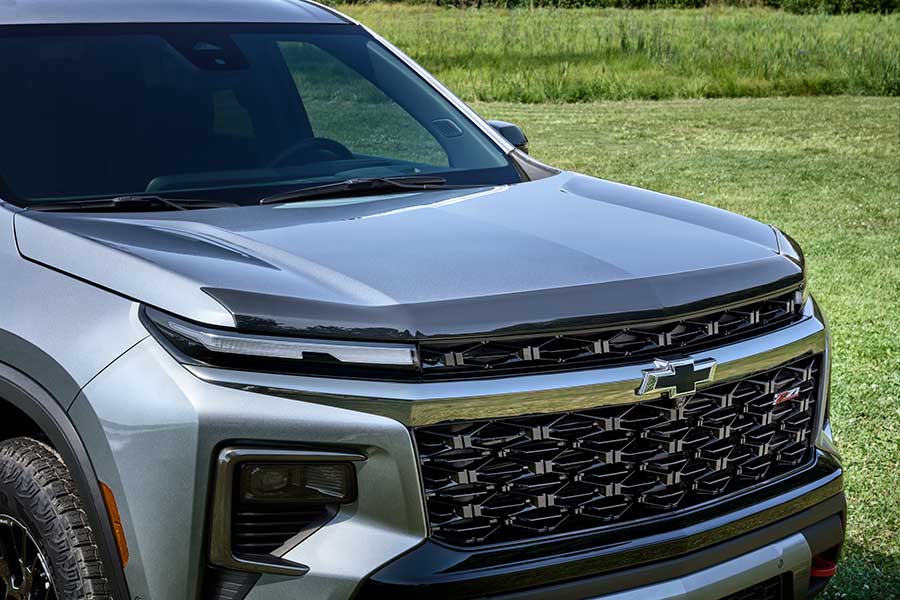
Choosing between buying and leasing a Chevrolet is one of the most important decisions you’ll make when shopping for a new vehicle. Both options have real advantages for drivers in St. Clairsville, Ohio, but the right choice depends on how you drive, how you manage your budget, and what you want from your next car or truck. Whether you’re eyeing a workhorse 2026 Silverado, a practical Equinox, or the all-electric Equinox EV, understanding the difference between Chevrolet buying vs leasing can help you walk away feeling confident in your decision.
What You Get When You Buy a Chevrolet?
When you buy a Chevrolet, you’re working toward full ownership of the vehicle. You’ll typically make a down payment and then monthly payments over a set loan term, often through a lender like GM Financial. Once the loan is paid off, the vehicle is yours to keep, or sell, or trade in, whenever you choose. Buying tends to make sense if you put a lot of miles on your vehicle each year, want to customize it with accessories, or prefer the long-term value of ownership. There are no mileage restrictions, and you’re free to drive it as much as you need. For drivers in St. Clairsville, Ohio, who commute long distances or use their truck for work, buying is often the more practical route.
What Does It Mean to Lease a Chevrolet?
Leasing a Chevrolet means you’re essentially paying to use the vehicle for a set period, typically 24 to 36 months. At the end of the lease, you can return the vehicle, purchase it at a predetermined price, or lease a new model. Lease payments are generally lower than loan payments because you’re only financing the vehicle’s depreciation during the lease term. Chevrolet frequently offers attractive lease deals, like the current offer on the 2026 Equinox LT front-wheel drive. Leasing works well if you like driving a new vehicle every few years, prefer lower monthly payments, and don’t drive significantly more than the allowed mileage.
Comparing Costs: Buying vs Leasing
Understanding the financial differences between Chevrolet buying vs leasing comes down to more than just the monthly payment. With a purchase, you build equity over time. Leasing keeps your monthly costs lower but doesn’t result in ownership at the end of the term unless you opt to buy out the vehicle. Leases often include mileage limits, and going over those limits results in additional fees. Financing a purchase gives you the freedom to drive without those restrictions. Keep in mind that buying may require a larger down payment upfront, while leasing often requires less money at signing.
Which Option Is Right for You?
The best way to approach Chevrolet buying vs. leasing is to think honestly about your lifestyle and financial goals. If you want long-term value and full ownership of the vehicle you chose, buying is a strong choice. If you prefer flexibility, lower monthly payments, and the ability to upgrade to a newer model every few years, leasing may be a better fit. Chevrolet offers a wide range of models across trucks, SUVs, and electric vehicles, so there’s no shortage of options to consider regardless of which path you choose.
Visit Us to Explore Your Options
If you are still weighing Chevrolet buying versus leasing, the best next step is to connect with a team that can help you understand available options and find a plan that fits your needs. Drivers throughout St. Clairsville, Ohio, can visit Whiteside Chevrolet to explore the latest Chevrolet models, discuss financing opportunities, and determine which ownership option makes the most sense for their lifestyle. Our team is here to help make the vehicle shopping process simple and straightforward.
Connect with us

