

Sustainability in the automotive world is often discussed in broad, slightly vague terms. Targets are announced, timelines are suggested, and everything sounds reassuringly progressive. What matters, though, is execution.
Because building a genuinely sustainable vehicle portfolio is not a marketing exercise. It’s a systems problem. Energy, materials, infrastructure, cost, usability. All of it must align, or the whole thing falls apart rather quickly.
Chevrolet, to its credit, appears to be approaching this with a degree of pragmatism.
Electric Vehicles: The Core, Not the Sideshow
There was a time when electric vehicles sat at the edge of a lineup, presented as an alternative for a very specific buyer. That’s no longer the case. Bolt EV established a baseline. Affordable, usable, and importantly, normal in the way it integrated into daily life. It didn’t demand lifestyle adjustments so much as small habit changes.
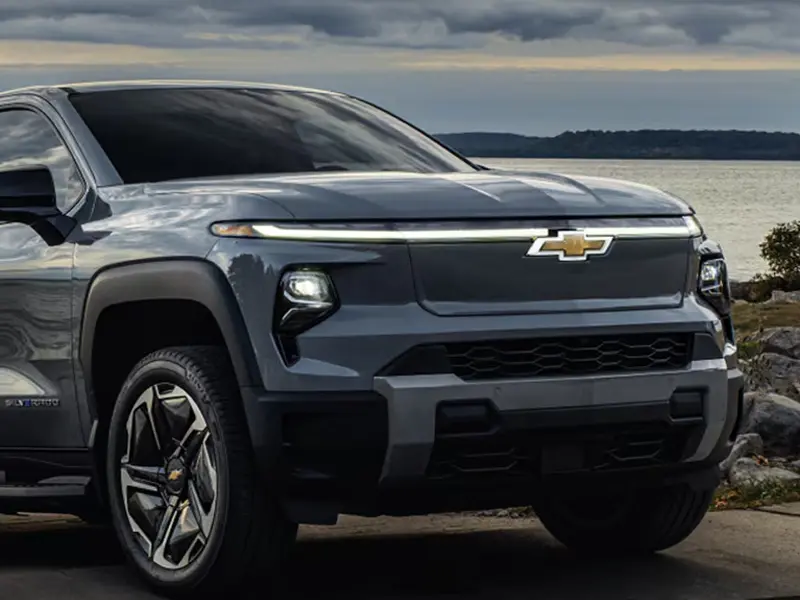
From there, the portfolio expands with more intent. The Equinox EV targets the center of the market, where volume matters. The Silverado EV addresses capability, which is where many electric programs struggle. Trucks are not forgiving environments for new technology. They either deliver or they don’t. In each case, the objective is clear. Replace existing use cases rather than invent new ones.
Manufacturing: Where Real Work Happens
It’s easy to focus on the vehicle itself. Less attention is usually given to how it is built, which is arguably more important. Shifting manufacturing toward renewable energy, reducing waste, rethinking material sourcing. These are not visible changes, but they carry significant weight in the overall equation. If the production process remains inefficient, the final product can only be so effective from a sustainability standpoint. Chevrolet’s broader strategy suggests an understanding of this. It’s not just about the vehicle leaving the factory. It’s about everything that happens before that moment.
Local Relevance in Places Like St. Clairsville, OH
Global strategies only matter if they translate locally. In St. Clairsville, OH, that means access. Vehicles that can be purchased and used without complication. Charging infrastructure is gradually becoming more practical. Dealerships that understand how to support customers transitioning into electric ownership. Without that, sustainability remains theoretical. With it, the shift becomes usable.
Why It Matters
The success of Chevrolet’s sustainability efforts won’t be determined by announcements or projections. It will be determined by adoption. If drivers can move into an EV like the Equinox EV or Silverado EV and find that it meets their expectations without compromise, then the strategy works.
If not, it doesn’t. It’s as simple, and as difficult, as that. For drivers in St. Clairsville, the opportunity now exists to evaluate that shift directly. Not as an abstract idea, but as a practical decision made by one vehicle at a time.
Connect with us

