
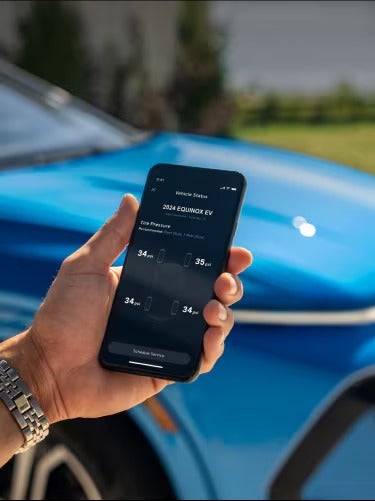
The MyChevrolet app turns your smartphone into a remote command center for your vehicle. No matter if you're at home, at work, or anywhere in between, Chevrolet Connected Services puts a powerful set of tools right in the palm of your hand. For drivers in St. Clairsville, Ohio, it's one more reason owning a Chevy is a smart choice. Remote Access Features That Make Everyday Life Easier One of the most popular MyChevrolet app features is remote access. You can lock or unlock your doors, start your engine, and even activate the horn and lights - all from your phone. Forgot whether you locked the car in a busy parking lot? A quick tap on the app takes care of it. Remote start is especially useful during Ohio winters. You can warm up your vehicle before you ever step outside, so you're greeted by a comfortable cabin instead of a cold steering wheel. Vehicle Alerts and Diagnostics at Your Fingertips Chevrolet Connected Services also keeps you informed about your vehicle's health. The app can send alerts for things like low tire pressure, oil life reminders, and other maintenance needs. You don't have to wait until a warning light appears on your dashboard to know something needs attention. This kind of proactive monitoring helps you stay ahead of potential issues, which can save time and reduce unexpected repair costs down the road. Navigation and In-App Destination Sending Planning a trip is simpler when your phone and your vehicle work together. With the MyChevrolet app, you can search for a destination on your phone and send it directly to your vehicle's navigation system before you even get in. That means less time fiddling with the touchscreen while you're trying to get on your way. You can also find nearby charging stations if you're driving a Chevrolet EV or plug-in hybrid, making the app a useful companion no matter if you're running errands or heading out on a longer drive. Account Management and Chevrolet Rewards Beyond remote commands and alerts, the app gives you a central place to manage your Chevrolet ownership experience. You can schedule service appointments, view your warranty information, and track your My Chevrolet Rewards points - all in one place. Chevrolet Connected Services bring together convenience, peace of mind, and everyday utility in a package that's easy to use. Visit Whiteside Chevrolet to Learn More Understanding exactly what the MyChevrolet app can do for you is easier when you can see it in action. The team at Whiteside Chevrolet is happy to walk you through how Chevrolet Connected Services work with your specific vehicle. Drivers throughout St. Clairsville, OH, can stop by to explore the current lineup and find out how to get connected today.
Chevrolet AWD vs. 4WD: Which System Is Right for Your Driving Needs?
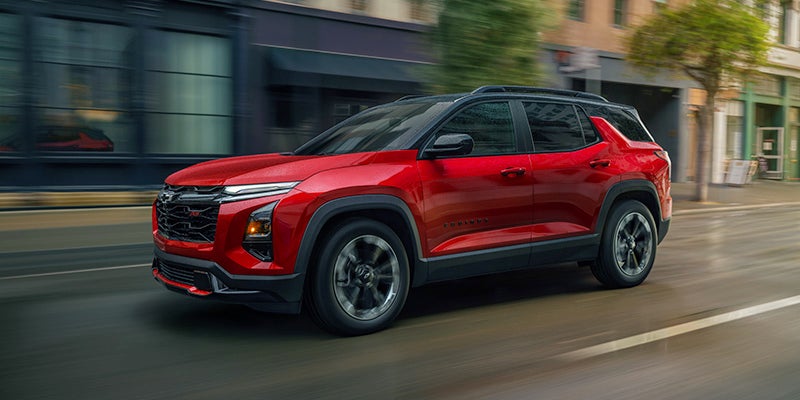
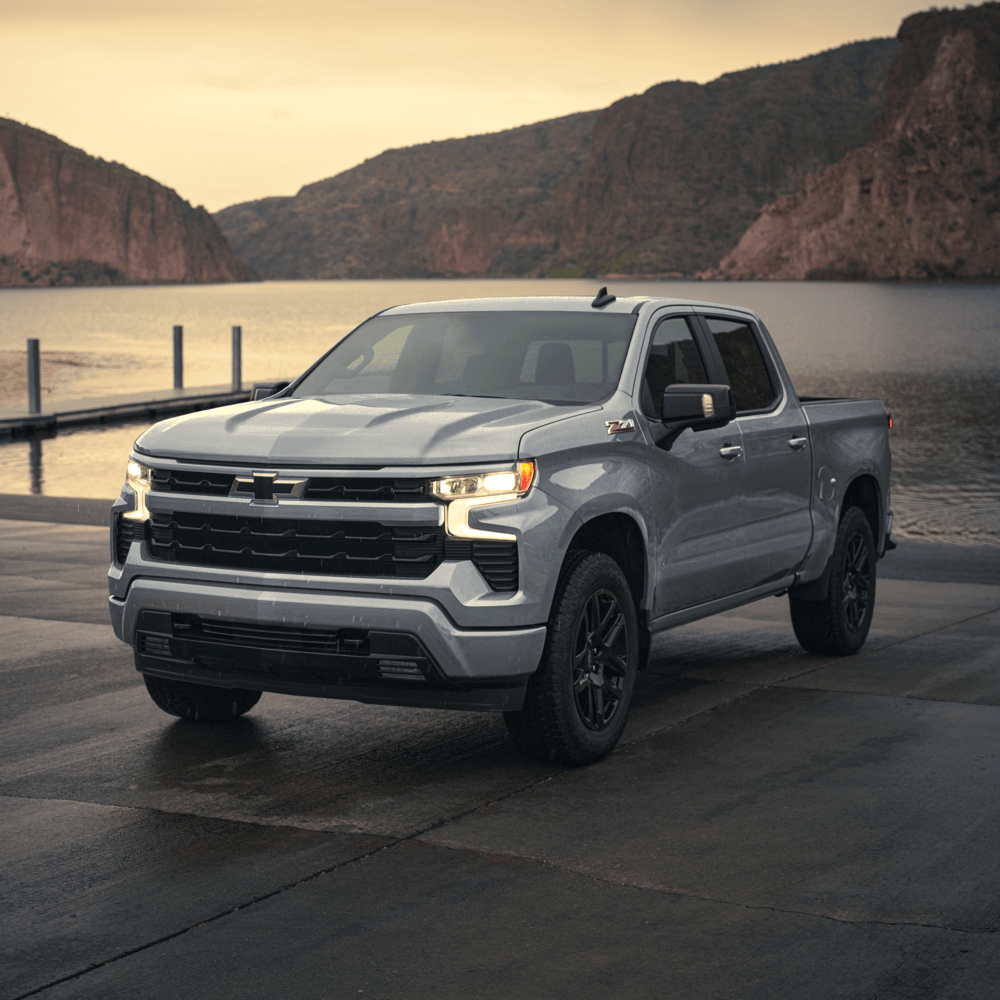
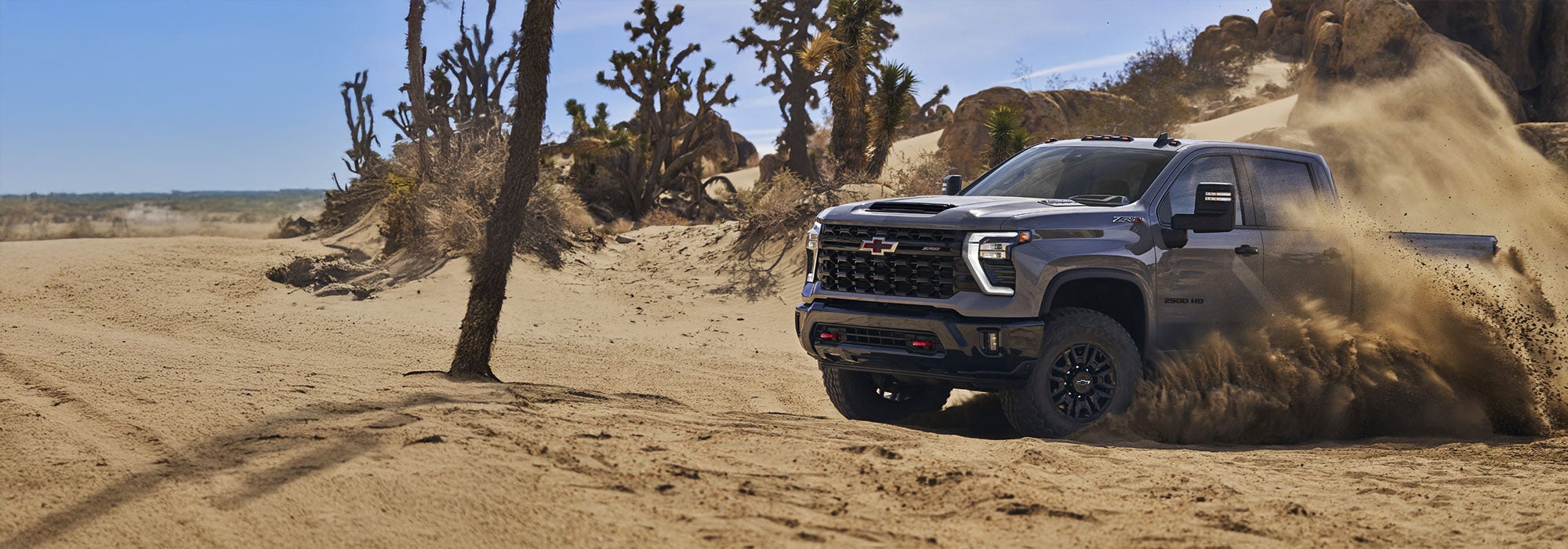
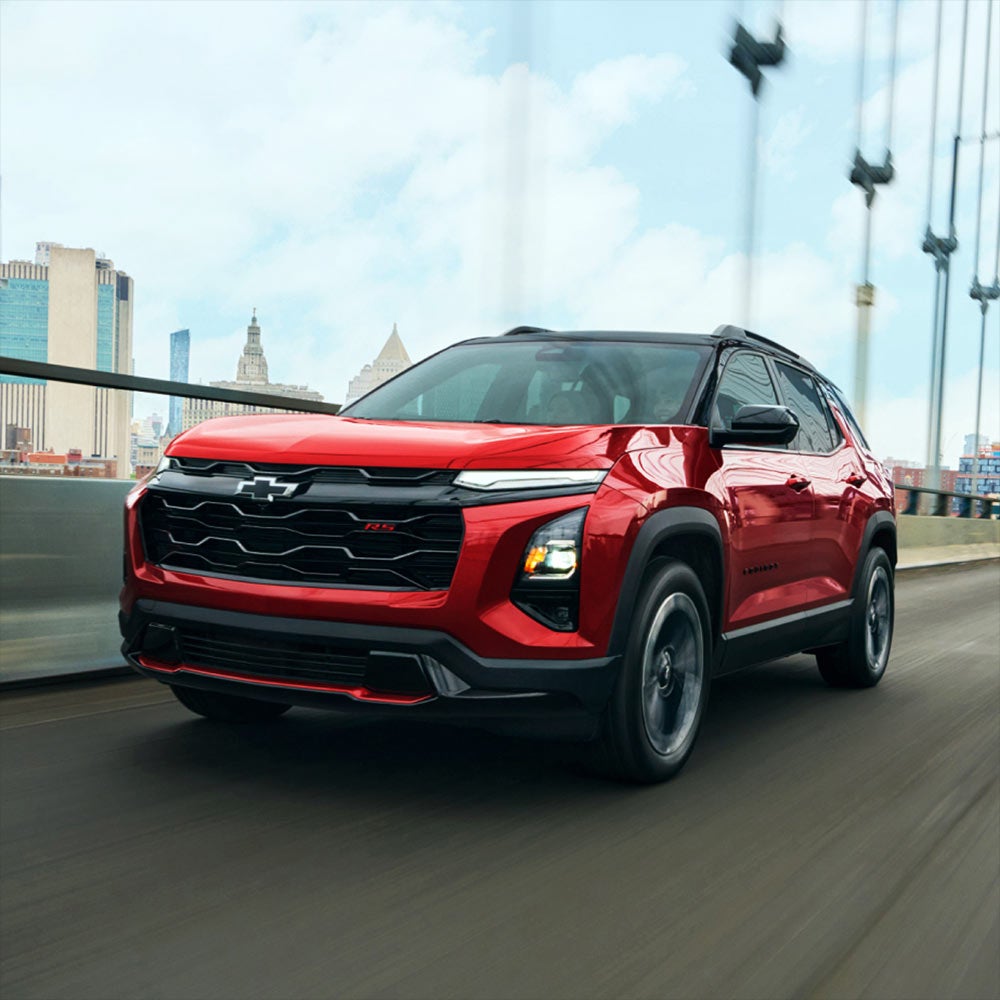
AWD and 4WD sound like 2 ways of saying the same thing. Four wheels receive power, traction improves, end of story. Except that's not quite how it works. Chevrolet uses these systems for different jobs, and choosing between them comes down to where you drive and what you expect the vehicle to do. For drivers around St. Clairsville, OH, that could mean extra traction during a snowy commute, getting a truck through a muddy jobsite, or finding enough grip for an off-road weekend. What Does Chevrolet AWD Do? AWD is primarily designed to make changing road conditions easier to manage. Depending on the Chevrolet model and system, power can be distributed between the front and rear wheels to help provide traction when conditions require it. That makes AWD well suited to rain, snow, gravel roads, and other situations drivers can encounter without leaving the pavement very far behind. Chevrolet SUVs including Equinox and Traverse offer available AWD, giving families additional traction capability without moving into a truck-based 4WD vehicle. For someone spending most of the week commuting, running errands, and navigating Ohio winters, that's often the type of capability they're looking for. 4WD Is Built for a Different Kind of Work Four-wheel drive is commonly found on Chevrolet trucks and full-size SUVs, including Colorado, Silverado 1500, Silverado HD, Tahoe, and Suburban. These systems are designed with demanding terrain and heavier-duty driving in mind, with selectable settings or transfer-case configurations depending on the model. Certain 4WD systems provide low-range gearing, which can deliver greater control at low speeds when tackling steep grades, deep mud, rocks, or other difficult terrain. The important point is that 4WD systems aren't all identical. Drivers should understand the equipment fitted to the specific truck or SUV instead of assuming every 4x4 operates the same way. AWD or 4WD Comes Down to the Job If most of your driving happens on pavement and your main concern is additional traction during rain or winter weather, AWD can provide the capability you need without requiring a truck-based drivetrain. If your weekends involve rough trails, your work takes you onto muddy property, or you need the capabilities offered by a Chevrolet pickup or full-size SUV, 4WD deserves a closer look. Towing alone doesn't automatically require 4WD, either. Trailer weight, drivetrain configuration, payload, terrain, and launch conditions all play a role, so towing capacity and traction requirements should be considered separately when choosing a Chevrolet. Which Chevrolet Models Offer AWD or 4WD? Chevrolet gives buyers several options on both sides. Equinox and Traverse offer available AWD for drivers seeking additional all-weather traction in an SUV. Colorado, Silverado 1500, and Silverado HD offer available 4WD configurations for truck buyers, while Tahoe and Suburban pair 3-row passenger space with available 4WD. Some Chevrolet models also offer specialized off-road trims and equipment for drivers who need capability beyond ordinary winter traction. Comparing Chevrolet trucks and SUVs by drivetrain is a good way to narrow the lineup before getting buried in engines, trim levels, towing figures, and option packages. Compare Chevrolet AWD and 4WD at Whiteside Chevrolet There isn't one drivetrain system that fits every driver. AWD is designed to provide additional traction across changing road conditions, while 4WD is available on Chevrolet vehicles built for more demanding terrain and truck-oriented jobs. St. Clairsville, OH, drivers can visit Whiteside Chevrolet to browse new Chevrolet SUVs, compare Chevrolet trucks, explore AWD and 4WD models, review available off-road packages, value a trade-in, or schedule a test drive online now. A drive in the vehicles you're considering can make the difference between AWD and 4WD considerably easier to understand.