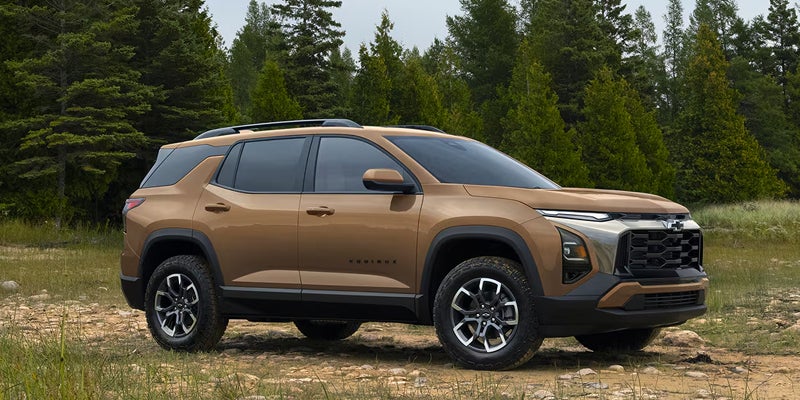

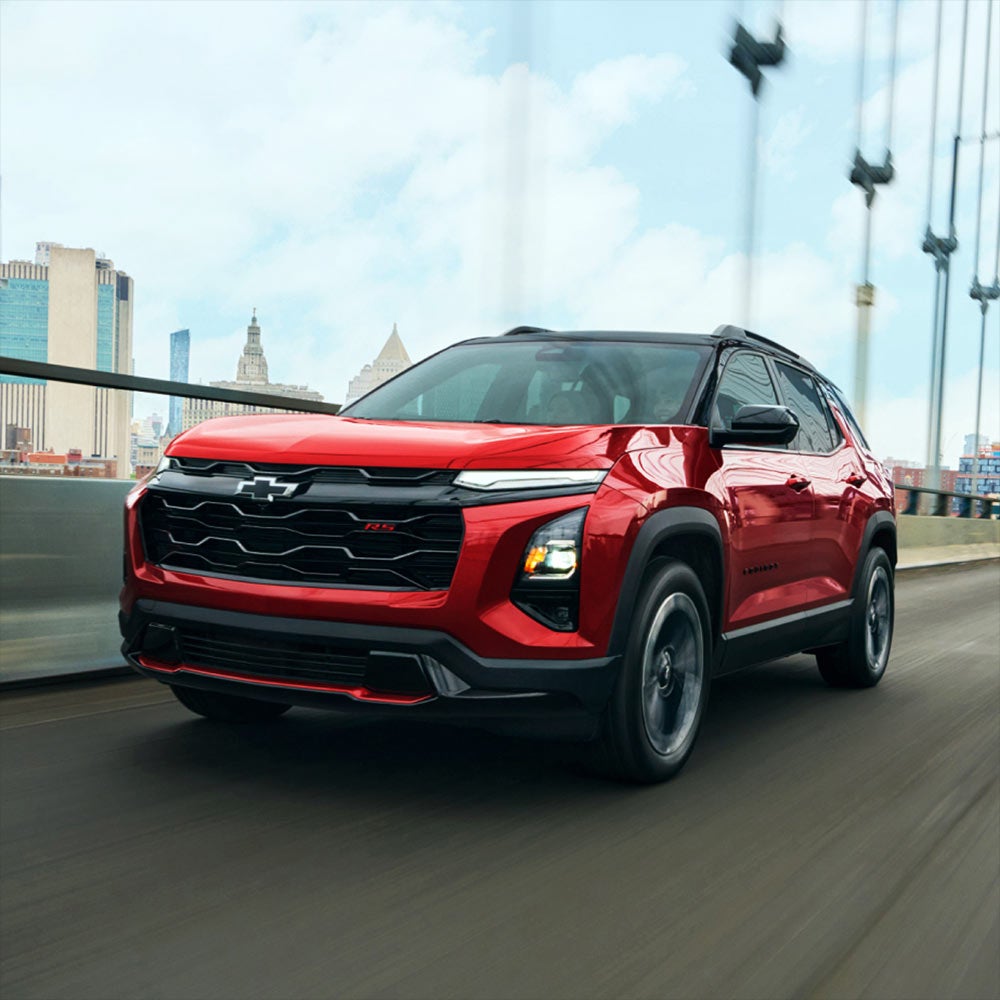
AWD and 4WD sound like 2 ways of saying the same thing. Four wheels receive power, traction improves, end of story. Except that's not quite how it works. Chevrolet uses these systems for different jobs, and choosing between them comes down to where you drive and what you expect the vehicle to do. For drivers around St. Clairsville, OH, that could mean extra traction during a snowy commute, getting a truck through a muddy jobsite, or finding enough grip for an off-road weekend.
What Does Chevrolet AWD Do?
AWD is primarily designed to make changing road conditions easier to manage. Depending on the Chevrolet model and system, power can be distributed between the front and rear wheels to help provide traction when conditions require it. That makes AWD well suited to rain, snow, gravel roads, and other situations drivers can encounter without leaving the pavement very far behind. Chevrolet SUVs including Equinox and Traverse offer available AWD, giving families additional traction capability without moving into a truck-based 4WD vehicle. For someone spending most of the week commuting, running errands, and navigating Ohio winters, that's often the type of capability they're looking for.
4WD Is Built for a Different Kind of Work
Four-wheel drive is commonly found on Chevrolet trucks and full-size SUVs, including Colorado, Silverado 1500, Silverado HD, Tahoe, and Suburban. These systems are designed with demanding terrain and heavier-duty driving in mind, with selectable settings or transfer-case configurations depending on the model. Certain 4WD systems provide low-range gearing, which can deliver greater control at low speeds when tackling steep grades, deep mud, rocks, or other difficult terrain. The important point is that 4WD systems aren't all identical. Drivers should understand the equipment fitted to the specific truck or SUV instead of assuming every 4x4 operates the same way.
AWD or 4WD Comes Down to the Job
If most of your driving happens on pavement and your main concern is additional traction during rain or winter weather, AWD can provide the capability you need without requiring a truck-based drivetrain. If your weekends involve rough trails, your work takes you onto muddy property, or you need the capabilities offered by a Chevrolet pickup or full-size SUV, 4WD deserves a closer look. Towing alone doesn't automatically require 4WD, either. Trailer weight, drivetrain configuration, payload, terrain, and launch conditions all play a role, so towing capacity and traction requirements should be considered separately when choosing a Chevrolet.
Which Chevrolet Models Offer AWD or 4WD?
Chevrolet gives buyers several options on both sides. Equinox and Traverse offer available AWD for drivers seeking additional all-weather traction in an SUV. Colorado, Silverado 1500, and Silverado HD offer available 4WD configurations for truck buyers, while Tahoe and Suburban pair 3-row passenger space with available 4WD. Some Chevrolet models also offer specialized off-road trims and equipment for drivers who need capability beyond ordinary winter traction. Comparing Chevrolet trucks and SUVs by drivetrain is a good way to narrow the lineup before getting buried in engines, trim levels, towing figures, and option packages.
Compare Chevrolet AWD and 4WD at Whiteside Chevrolet
There isn't one drivetrain system that fits every driver. AWD is designed to provide additional traction across changing road conditions, while 4WD is available on Chevrolet vehicles built for more demanding terrain and truck-oriented jobs. St. Clairsville, OH, drivers can visit Whiteside Chevrolet to browse new Chevrolet SUVs, compare Chevrolet trucks, explore AWD and 4WD models, review available off-road packages, value a trade-in, or schedule a test drive online now. A drive in the vehicles you're considering can make the difference between AWD and 4WD considerably easier to understand.