
Blog / Chevrolet Trailblazer

The 2026 Chevrolet Trailblazer: Compact SUV Excellence

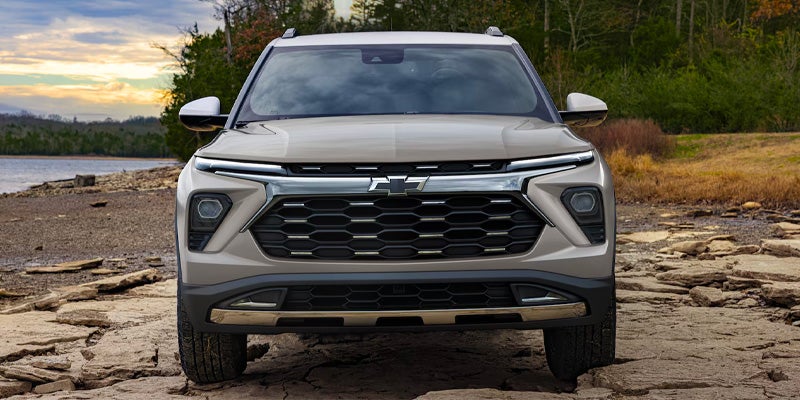
The front grille of the 2026 Chevrolet Trailblazer parked by a lake in St. Clairsville, OH

The 2026 Chevrolet Trailblazer continues to prove that compact doesn’t have to mean compromised. Designed for drivers who want efficiency without giving up personality or practicality, the Trailblazer combines smart packaging, modern technology, and a range of trims that genuinely feel distinct. Around St. Clairsville, OH, it makes equal sense threading through town or heading out for a longer weekend drive.

Trim Levels Tailored to Real Needs

LS and LT: Practicality Meets Comfort

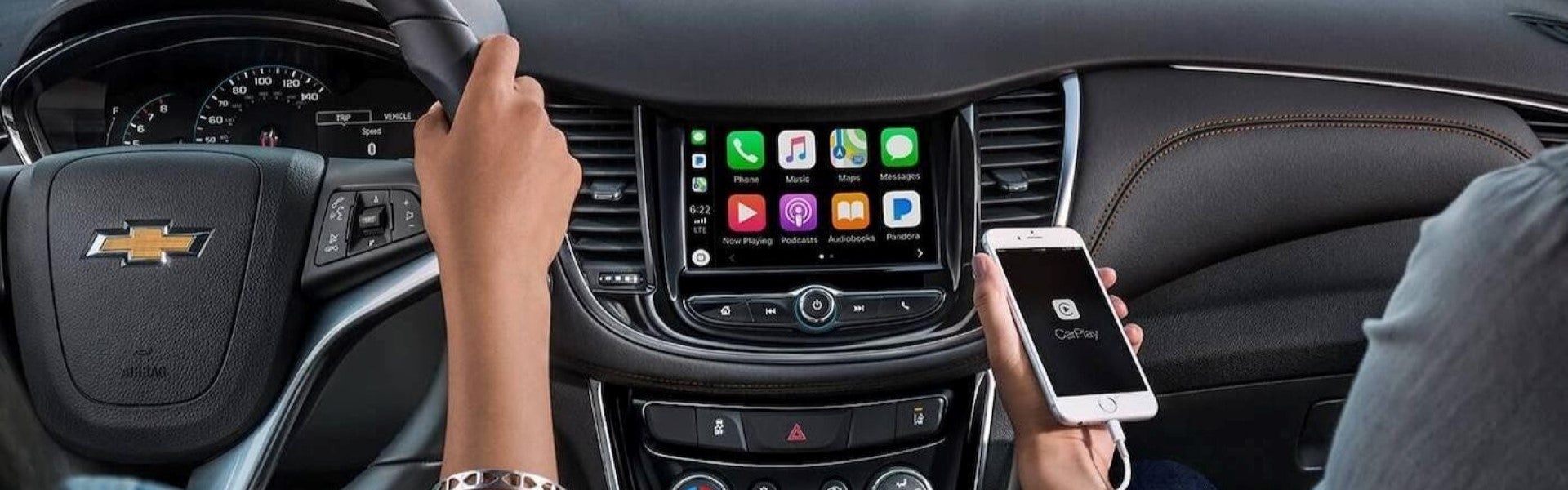
The LS and LT trims form the backbone of the Trailblazer lineup, offering strong everyday usability with well-chosen features. Both include an 11-inch diagonal HD touchscreen, wireless Apple CarPlay® and Android Auto™, and a fold-flat front passenger seat that adds meaningful cargo flexibility.

The LT builds on that foundation with welcome conveniences such as keyless entry, remote start, and silver-painted roof rails—small details that make daily driving feel easier rather than more complicated.

ACTIV: Ready for the Rougher Route

The ACTIV trim leans into the Trailblazer’s adventurous side. Powered by the ECOTEC® 1.3L turbo engine and paired with off-road-tuned suspension, it adds functional skid plates and all-terrain intent without turning the vehicle into something it isn’t.

Visually, the ACTIV stands apart with its black mesh grille, titanium chrome accents, and high-gloss black machined-aluminum wheels—subtle enough for everyday use, distinctive enough to feel purposeful.

RS: Sporty Sophistication

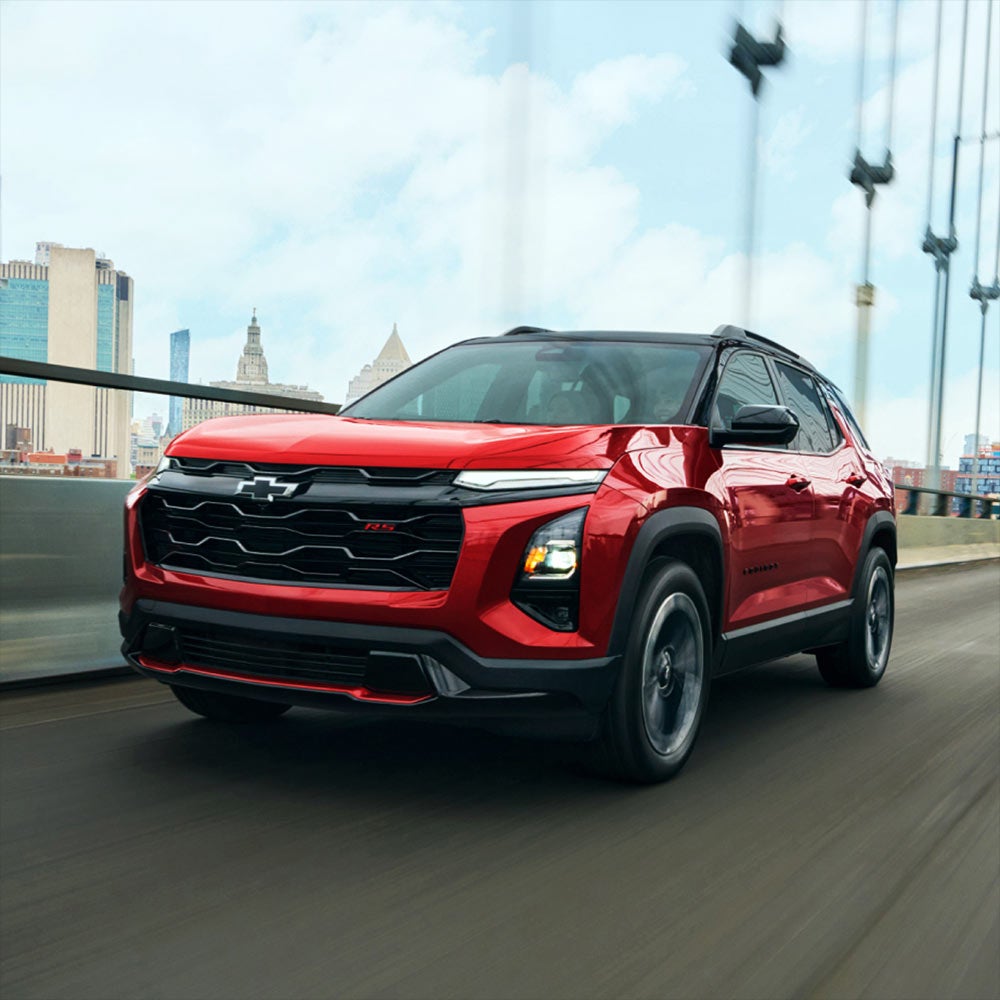
The RS trim takes a sharper, more urban approach. High-gloss black exterior accents, red interior highlights, and a flat-bottom heated steering wheel give it a sportier character. Riding on 19-inch high-gloss black machined-aluminum wheels, the RS feels composed and confident on the road, with the same responsive ECOTEC® 1.3L turbo engine delivering smooth, accessible performance.

Technology That Works, Not Distracts

Technology in the 2026 Trailblazer is refreshingly straightforward. The standard 11-inch touchscreen is clear and responsive, while wireless smartphone integration keeps cables out of the way. An available 7-speaker Bose® premium audio system adds depth and clarity for longer drives, and conveniences like wireless charging and push-button start are integrated without fuss.

Safety Without Overstatement

Every 2026 Trailblazer includes Chevy Safety Assist as standard, bundling features such as Automatic Emergency Braking, Forward Collision Alert, Lane Keep Assist, and IntelliBeam® automatic high beams. Optional Adaptive Cruise Control and Rear Cross Traffic Alert further enhance confidence, especially in busy parking lots or on longer highway runs. With 10 standard airbags and Teen Driver technology, the Trailblazer takes safety seriously without making it feel intrusive.

Compact, Yet Properly Useful

Despite its compact footprint, the Trailblazer remains impressively adaptable. Seating for 5 is complemented by a fold-flat front passenger seat that allows for up to 8.5 ft. of cargo length, along with 54.4 cu. ft. of cargo space when the rear seats are folded. Available AWD adds reassurance in changing weather conditions, while the ECOTEC® 1.3L turbo engine balances efficiency with enough power for confident everyday driving.

Drivers interested in seeing how the 2026 Chevrolet Trailblazer fits their routine can explore current inventory at Whiteside of St. Clairsville, where the full range of trims highlights just how versatile this compact SUV can be.
Posted in:

Related Posts

Chevrolet vehicle interior touchscreen dashboard

Chevy Reduced Engine Power Warning: What It Means and Why It Happens

Few dashboard messages catch drivers off guard quite like the Chevy Reduced Engine Power Warning. It is one of the most searched Chevrolet troubleshooting topics for a reason. Understanding what triggers this warning and knowing how to respond can help save time, reduce stress, and potentially prevent more costly repairs. For drivers in St. Clairsville, Ohio, the service center at Whiteside Chevrolet is available to provide expert diagnostics and help identify the cause of the issue when your vehicle needs professional attention. more What Does the Chevy Reduced Engine Power Warning Mean? When the Chevy Reduced Engine Power warning appears, your vehicle's onboard system has detected an issue and intentionally limited engine output to protect the drivetrain. Think of it as a built-in safety mode. Your Chevy isn't failing—it's responding to a signal that something needs attention before it becomes a bigger problem. You may notice sluggish acceleration, limited throttle response, or the vehicle refusing to go above a certain speed. These are all signs the system is doing exactly what it was designed to do. Common Causes Behind the Warning But, “What does the Reduced Engine Power Warning mean?” is a question with several possible answers, because the warning can be triggered by a range of issues. A faulty throttle body or throttle position sensor is one of the most frequent culprits. If the system can't accurately read throttle input, it may limit power as a precaution. Other common causes include a failing mass airflow sensor, a malfunctioning oxygen sensor, or issues with the electronic throttle control system. Wiring problems, such as damaged connectors or corroded grounds, can also cause the warning to appear. Even a weak battery or alternator issue can trigger the system under certain conditions. What Should I Do When I See It? First, don't panic. If the Chevy Reduced Engine Power Warning comes on while you're driving, safely reduce your speed and find a place to pull over when it's safe to do so. Avoid pushing the engine under reduced power conditions for an extended period. Once safely stopped, it can help to turn the vehicle off, wait a moment, and restart it. In some cases, the warning may clear if the issue was a temporary sensor glitch. However, if the message returns—or if it's accompanied by the Check Engine light—you should get your Chevy to a professional who can diagnose it with a scan tool as soon as possible. Continuing to drive while ignoring the warning can cause additional strain on the engine and related components. Getting It Diagnosed and Repaired Because the Chevy Reduced Engine Power Warning can stem from several different systems, a proper diagnosis requires reading the stored trouble codes and inspecting the relevant components. This isn't a job for guesswork, an accurate diagnostic scan is the most reliable first step. There are trained technicians in St. Clairsville, Ohio who understand Chevrolet systems inside and out. Getting your vehicle to a qualified service center quickly can make a real difference in preventing a manageable issue from turning into a more involved repair. Visit Us for Help with Your Chevy If your vehicle has triggered the Chevy Reduced Engine Power Warning, don't wait to get it checked. The sooner the cause is identified, the better your options for a straightforward fix. Stop by Whiteside Chevrolet in St. Clairsville, Ohio, and let our service team take a closer look, we're here to help you get back on the road with confidence.

Chevrolet Traverse front grille and exterior detail view

Chevrolet Buying vs. Leasing: Which Option Fits Your Budget and Driving Needs?

Choosing between buying and leasing a Chevrolet is one of the most important decisions you'll make when shopping for a new vehicle. Both options have real advantages for drivers in St. Clairsville, Ohio, but the right choice depends on how you drive, how you manage your budget, and what you want from your next car or truck. Whether you're eyeing a workhorse 2026 Silverado, a practical Equinox, or the all-electric Equinox EV, understanding the difference between Chevrolet buying vs leasing can help you walk away feeling confident in your decision. more What You Get When You Buy a Chevrolet? When you buy a Chevrolet, you're working toward full ownership of the vehicle. You'll typically make a down payment and then monthly payments over a set loan term, often through a lender like GM Financial. Once the loan is paid off, the vehicle is yours to keep, or sell, or trade in, whenever you choose. Buying tends to make sense if you put a lot of miles on your vehicle each year, want to customize it with accessories, or prefer the long-term value of ownership. There are no mileage restrictions, and you're free to drive it as much as you need. For drivers in St. Clairsville, Ohio, who commute long distances or use their truck for work, buying is often the more practical route. What Does It Mean to Lease a Chevrolet? Leasing a Chevrolet means you're essentially paying to use the vehicle for a set period, typically 24 to 36 months. At the end of the lease, you can return the vehicle, purchase it at a predetermined price, or lease a new model. Lease payments are generally lower than loan payments because you're only financing the vehicle's depreciation during the lease term. Chevrolet frequently offers attractive lease deals, like the current offer on the 2026 Equinox LT front-wheel drive. Leasing works well if you like driving a new vehicle every few years, prefer lower monthly payments, and don't drive significantly more than the allowed mileage. Comparing Costs: Buying vs Leasing Understanding the financial differences between Chevrolet buying vs leasing comes down to more than just the monthly payment. With a purchase, you build equity over time. Leasing keeps your monthly costs lower but doesn't result in ownership at the end of the term unless you opt to buy out the vehicle. Leases often include mileage limits, and going over those limits results in additional fees. Financing a purchase gives you the freedom to drive without those restrictions. Keep in mind that buying may require a larger down payment upfront, while leasing often requires less money at signing. Which Option Is Right for You? The best way to approach Chevrolet buying vs. leasing is to think honestly about your lifestyle and financial goals. If you want long-term value and full ownership of the vehicle you chose, buying is a strong choice. If you prefer flexibility, lower monthly payments, and the ability to upgrade to a newer model every few years, leasing may be a better fit. Chevrolet offers a wide range of models across trucks, SUVs, and electric vehicles, so there's no shortage of options to consider regardless of which path you choose. Visit Us to Explore Your Options If you are still weighing Chevrolet buying versus leasing, the best next step is to connect with a team that can help you understand available options and find a plan that fits your needs. Drivers throughout St. Clairsville, Ohio, can visit Whiteside Chevrolet to explore the latest Chevrolet models, discuss financing opportunities, and determine which ownership option makes the most sense for their lifestyle. Our team is here to help make the vehicle shopping process simple and straightforward.

Close-up of tire on testing machine

Tire Safety: What Every Chevrolet Driver in St. Clairsville Should Know

Most drivers don't spend much time thinking about their tires until something goes wrong. A low-pressure warning appears on the dashboard. The vehicle doesn't feel quite right on a rainy day. Maybe it's time for a road trip and someone finally notices the tread looks a little thin. At Whiteside Chevrolet in St. Clairsville, OH, tire questions are some of the most common topics service advisors discuss with drivers throughout Belmont County and the Ohio Valley. That's because tires affect nearly every aspect of how your Chevrolet performs, from braking and handling to fuel efficiency and ride comfort. Understanding a few basic tire safety principles can help keep your vehicle operating safely and efficiently year-round. more Why Tire Safety Matters More Than Many Drivers Realize Your tires are the only part of your Chevrolet that touches the road. If you're driving a Chevrolet Equinox through downtown St. Clairsville, commuting across Eastern Ohio in a Suburban with the family, or towing equipment with a Silverado 1500, your tires are responsible for maintaining traction, stability, and control. Even advanced safety systems such as anti-lock brakes, traction control, and electronic stability control rely on properly maintained tires to work effectively. When tires become worn or damaged, those systems have less grip available to work with. That's why routine tire inspections remain one of the most important maintenance services for any vehicle. Understanding Tire Ratings Every tire includes information designed to help drivers understand how it is expected to perform. The Uniform Tire Quality Grading system evaluates tires in three primary categories: treadwear, traction, and temperature resistance. Treadwear ratings provide an estimate of expected tire life. Traction grades indicate wet-road stopping performance, while temperature ratings measure a tire's ability to withstand heat generated during normal driving. While these ratings shouldn't be the only factor in selecting replacement tires, they provide useful information when comparing options for your specific Chevrolet model and driving needs. Tire Inspections Are Simpler Than You Think A quick visual inspection can reveal a surprising amount about tire condition. Look for uneven tread wear, cracks in the sidewall, bulges, punctures, or objects embedded in the tire. These issues can affect performance and may indicate that service is needed. Tread depth is particularly important in Northeast Ohio, where drivers encounter everything from summer rainstorms to winter snow and slush. As tread wears down, a tire becomes less effective at maintaining traction on wet roads. Many service professionals recommend replacing tires before they reach the legal minimum tread depth, especially for drivers who regularly encounter challenging weather conditions. Tire Pressure Deserves Regular Attention Few maintenance items are easier to overlook than tire pressure. Seasonal temperature changes throughout St. Clairsville and the Ohio Valley can cause tire pressures to fluctuate significantly. A tire that was properly inflated in August may be underinflated by the time colder weather arrives. Proper tire pressure helps promote even tread wear, improves fuel economy, and supports predictable handling. Checking tire pressure once a month and before longer trips remains one of the simplest ways to help maximize tire life. Fortunately, most modern Chevrolet vehicles include a Tire Pressure Monitoring System that helps alert drivers when pressure drops below recommended levels. Choosing the Right Tires for Your Chevrolet Not all tires are designed for the same purpose. A Chevrolet Tahoe has different tire requirements than a Trax. A Silverado HD used for towing places different demands on its tires than a Traverse used primarily for family transportation. That's why Chevrolet engineers specify tire sizes, load ratings, and performance characteristics for each vehicle. Following those recommendations helps maintain the ride quality, handling, and capability your vehicle was designed to deliver. When replacement time arrives, working with trained Chevrolet service professionals can help ensure you choose the right tire for your driving habits and local conditions. Stay Ready for Every Season in Eastern Ohio Drivers in St. Clairsville, Belmont County, and throughout Eastern Ohio experience a wide range of road conditions throughout the year. From summer heat to winter snow, tires play a critical role in helping your vehicle perform safely and confidently. If you're unsure about the condition of your current tires, the team at Whiteside Chevrolet is here to help. Schedule a tire inspection and let our certified technicians evaluate tread depth, tire pressure, alignment, and overall condition so you can drive with confidence throughout every season in the Ohio Valley.